
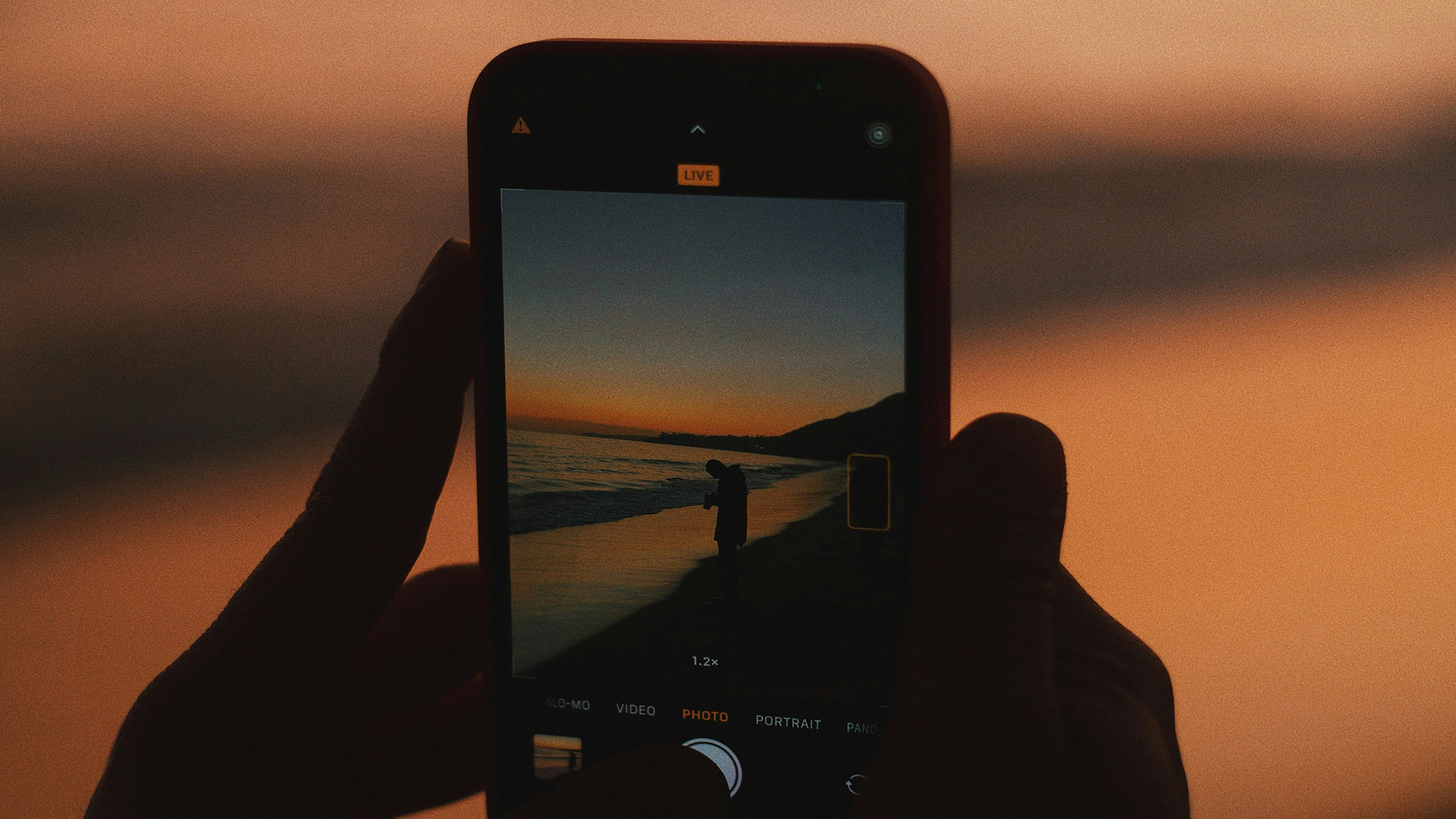
For an artist trying to build an audience, short-form video might be the most valuable free marketing tool available.
Instagram Reels, TikTok and YouTube Shorts give artists something we really haven’t had before: a place to build the artist and test the marketing at the same time.
On one side, you’re letting people into your world. They see your personality, creative process, humour, stories, rehearsals, performances and everything that makes you more than another song appearing in a playlist.
On the other side, every post is a test. Which part of the song stops people? Does performance beat polished video? Does an emotional story connect more than a straight sync? Which on-screen hook holds attention? What gets shared? What gets ignored?
And you can learn all of this before spending a dollar on advertising.
Your Artist Brand Is You
Social media is where your personal artist brand gets built.
That doesn’t mean choosing three brand colours, a font and a photography style. Those things can help create a visual identity, but they aren’t the artist brand.
The artist is the brand.
Your personality, humour, voice, interests, stories, quirks, creative process and the way you interact with people give an audience something to connect with beyond a song.
That means you have to show up.
Show your face. Talk to the camera. Perform. Tell stories. Let people see you working. Show them what makes you laugh, what you’re excited about and what you care enough about to write songs about.
There really isn’t a useful shortcut around this anymore. If an artist’s social presence is nothing but artwork, lyric cards, polished music-video clips and promotional announcements, it can quickly become anonymous. At that point, it may as well have been assembled by AI.
The biggest advantage an artist has over AI is the actual human being behind the music.
That doesn’t mean you need to manufacture a social-media personality or become an influencer. It’s almost the opposite. The goal is to find ways to translate your real personality into content people can experience.
Some artists are funny. Some are thoughtful. Some are chaotic. Some are quiet. Some are great storytellers. Others are more comfortable picking up a guitar than talking to the camera for 60 seconds.
All of those can work.
The important part is that people start getting to know the human behind the music.
At the Same Time, You’re Running Free Tests
This is the other half of the opportunity.
Every Reel can teach you something.
Instead of sitting in a meeting trying to decide which 15 seconds of a song should lead the campaign, put different sections in front of people.
Instead of guessing whether fans want polished performance footage or something shot backstage on a phone, test both. Instead of debating the perfect marketing message, try several on-screen hooks and see which one actually makes people stop.
A few useful content silos to test include:
- Performance: acoustic, live, rehearsal, studio or direct-to-camera.
- Behind the scenes: recording, writing, touring, rehearsals, video shoots and everyday artist life.
- Sync: strong visual content edited directly to the finished master.
- Story and emotion: the meaning behind a song, a lyric or a personal experience.
- Personality: humour, interests, opinions and moments that aren’t directly selling the song.
- On-screen hooks: different ways of giving someone context before they’ve heard a note.
- Song sections: chorus, verse, pre-chorus, bridge or individual lyrics.
These aren’t just content ideas. They’re creative tests.
People Can Connect With You Before They Connect With the Music
There are more songs competing for attention than any listener could possibly hear. Simply having a great song doesn’t guarantee someone will stop long enough to discover it.
Knowing the artist changes that relationship.
If someone has been following your writing process, laughing at your backstage videos or watching you slowly build something, the next song doesn’t arrive from a stranger.
They’re already invested.
That’s why the content around the music can become as important to audience development as the promotional content for the finished release.
Don’t wait until you need something from people to start talking to them.
Scott Helman and “Mr. Record Label”
A great example is Scott Helman’s creative world around “Mr. Record Label.”
What made the content interesting wasn’t simply seeing another artist promote a finished song. The process itself became part of the experience.
There was the effort, personal stories, lyrics, filmmaking concepts, unexpected locations and the process of turning an idea into a much bigger finished piece. Instead of only seeing the end result, people were able to come along for the ride.
It felt like someone had opened the door.
You weren’t only watching what he made. You were getting to know the person making it.
And all of those individual pieces eventually rolled up into the finished product. The songwriting, visual ideas, personality, locations and filmmaking weren’t separate marketing assets. They became part of the same creative world.
That’s the lesson worth taking from it.
You don’t need to recreate somebody else’s campaign or have the budget to shoot something ambitious. The opportunity is to let people experience the journey instead of only showing them the destination.
Your Phone Is Enough
The good news is that none of this requires a production crew.
Pull your phone out while you’re writing. Film the rehearsal. Capture something backstage. Perform the chorus in a hallway. Talk about where a lyric came from. Show the idea that didn’t work. Show the funny thing that happened on the way to the show.
Artists can get so focused on creating “content” that they miss the obvious:
Being an artist is the content.
Writing songs, recording, rehearsing, travelling, playing shows, working with musicians and trying to build a career are things most people never experience.
Let them in.
Test the Music, Not Just the Video
Don’t automatically decide that the chorus is the part everyone needs to hear.
Your audience may tell you otherwise.
A line in the second verse might generate more comments than the hook. A quieter section might work beautifully underneath a personal story. The chorus might dominate a performance video but lose when paired with another visual.
Try different sections. Try the same section with different creative. Try the same footage with a different opening hook.
You’re looking for the doorway into the song.
And different audiences may choose different doors.
Don’t Judge Everything by Views
A viral Reel would be great, but views alone don’t tell you whether you’ve found something useful.
Look at what people actually do.
Are they watching longer? Rewatching? Sharing? Saving? Commenting on a lyric? Visiting the profile? Following? Asking what the song is called? Are some of the same people showing up again on the next post?
A video with 15,000 views that creates genuine conversation around the artist may tell you considerably more than one with 100,000 passive views.
You’re looking for signs that someone cares, not simply that they saw you.
Find Your Winners and Double Down
This might be the most important part of the process.
When something works, don’t immediately abandon it because you’ve already done it.
Do it again.
If people respond to backstage videos, give them more backstage access. If a particular performance style connects, shoot another one. If one lyric keeps generating comments, find another way to use it. If a certain on-screen hook works, test variations of the same idea.
A winner isn’t the end of the test. It’s the beginning of the next one.
Change the location. Change the opening. Try another section of the song. Make a follow-up. Push the concept further.
The goal isn’t just to repeat a successful post. It’s to understand why it worked.
Over time, those winners also help define your content silos and your artist brand. Instead o